Understanding Ohio Pool Barrier Code Requirements
If you own a swimming pool in Dayton, you're legally required to install a barrier that meets Ohio's pool safety standards. These regulations exist to prevent accidental drowning, particularly among young children. The pool barrier code in Ohio is based on national guidelines and has been refined over decades to ensure maximum protection while remaining practical for homeowners.
Ohio's pool barrier requirements apply to all residential swimming pools, whether in-ground or above-ground. The regulations cover not just the fence itself, but also gates, latches, gaps, and other access points. Understanding these rules before you install or upgrade your pool enclosure is essential. Many homeowners in Dayton discover they need modifications after installation, which can be costly and time-consuming. By knowing the requirements upfront, you can ensure your pool area is both compliant and safe from day one.
Minimum Height and Spacing Requirements for Pool Fences
The most basic requirement for any pool fence in Ohio is height. Your pool barrier must be at least 4 feet tall when measured from the outside ground level. This height is measured vertically from the finished ground surface to the top rail of the fence. If your pool is on a slope or uneven terrain, the measurement must be taken at the lowest point where a child could potentially access the fence.
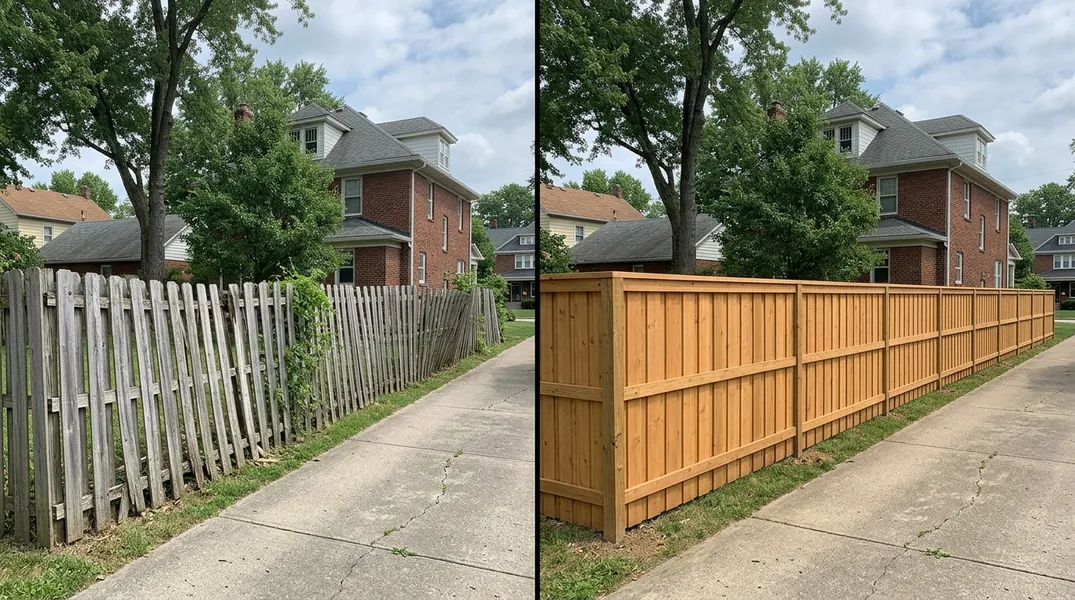
Beyond height, Ohio's pool barrier code is very specific about spacing and gaps. Vertical gaps between fence boards or pickets cannot exceed 4 inches. This prevents a child's body from passing through the fence. Horizontal gaps, such as those between the bottom of the fence and the ground, must also be no more than 4 inches. Many homeowners don't realize that a gap under the fence is just as dangerous as a gap between boards. When installing Wood & Privacy Fence Installation around your pool, these spacing requirements must be carefully followed during construction. If you're considering upgrading an existing fence, have it inspected to confirm it meets current standards.
Self-Closing and Self-Latching Gate Requirements
One of the most critical components of your pool barrier is the gate, and Ohio's regulations are strict about how it must function. Any gate providing access to the pool area must be self-closing and self-latching. This means the gate must automatically close and latch on its own without requiring manual intervention. A self-closing gate uses a spring mechanism or hydraulic closer to pull the gate shut, while a self-latching mechanism ensures the latch engages automatically when the gate closes.
The latch itself must be positioned at least 54 inches above the finished ground level, which places it well above the reach of most young children. The latch hardware must be on the pool side of the gate, not the outside, to prevent children from opening it. The gate must be constructed so that it opens away from the pool, not toward it. Additionally, the gate cannot have any openings that would allow a child to pass through when it's closed. If you're installing a new pool fence or upgrading your current one, ensure your contractor understands these gate specifications. Improper gate installation is one of the most common violations homeowners encounter.
Additional Safety Features and Compliance Considerations
Beyond the basic height, spacing, and gate requirements, Ohio's pool barrier code includes several other important safety features. Any fence, wall, or structure serving as a pool barrier cannot have handholds or footholds on the pool side that would make it easy for a child to climb over. This means decorative elements, protruding hardware, or uneven surfaces on the pool-facing side of the fence should be minimized. If you're considering Vinyl & PVC Fence Installation or another style, discuss these climbing prevention measures with your installer.
Removable barriers, such as pool covers or safety nets, do not meet Ohio's requirements as a primary barrier. They can be used as supplemental safety measures, but you still need a permanent fence. Similarly, the pool structure itself, such as raised walls on an above-ground pool, may not count as a complete barrier if it doesn't meet height and spacing requirements. Doors and windows in your home that open directly onto the pool area must also be equipped with self-closing, self-latching mechanisms or alarms. These additional features work together to create multiple layers of protection, reducing the risk of accidental access to the pool.
Getting Your Pool Fence Inspected and Compliant
If you're unsure whether your existing pool fence meets Ohio's current standards, a professional inspection is your best option. Building codes and safety standards are updated periodically, and an older fence may not comply with current requirements. Many homeowners discover issues only when they sell their property or apply for a permit for pool-related work. Rather than facing problems down the road, it's worth having your barrier evaluated now.
When you're ready to install a new pool fence or make upgrades to an existing one, working with experienced professionals ensures compliance from the start. Dayton Fence Company specializes in installing pool barriers that meet all Ohio safety requirements. Whether you need Wood & Privacy Fence Installation, Chain Link Fence Installation, or another style, our team understands the specific regulations that apply to pool enclosures. We'll make sure your gate latches properly, your spacing meets code, and your entire barrier system keeps your family safe. Contact Dayton Fence Company at (937) 930-3672 to schedule a free estimate for your pool fence project.
Local Considerations for Dayton Pool Fence Installation
Dayton homeowners should also be aware that local city ordinances may have additional requirements beyond state code. Some municipalities have specific rules about fence materials, height in front yards, or setback distances from property lines. While your pool is typically in your backyard, it's still worth checking with your local zoning office to confirm there are no additional restrictions. Dayton Fence Company is familiar with local regulations and can guide you through any city-specific requirements.
Weather and soil conditions in the Dayton area also affect pool fence installation and maintenance. Ohio's freeze-thaw cycles can shift fence posts and create gaps over time. Proper installation, including deep post holes and quality materials, helps prevent these issues. Regular inspection and maintenance of your pool barrier, especially before and after winter, ensures it continues to meet safety standards year-round. If you need advice on the best materials and installation methods for your specific property, our team is ready to help. Call (937) 930-3672 or visit our website to learn more about pool fence options and get your project started.
Looking for a professional tree service in Dayton? Dayton Fence Company responds fast for all your fence needs.
Get a Free Quote