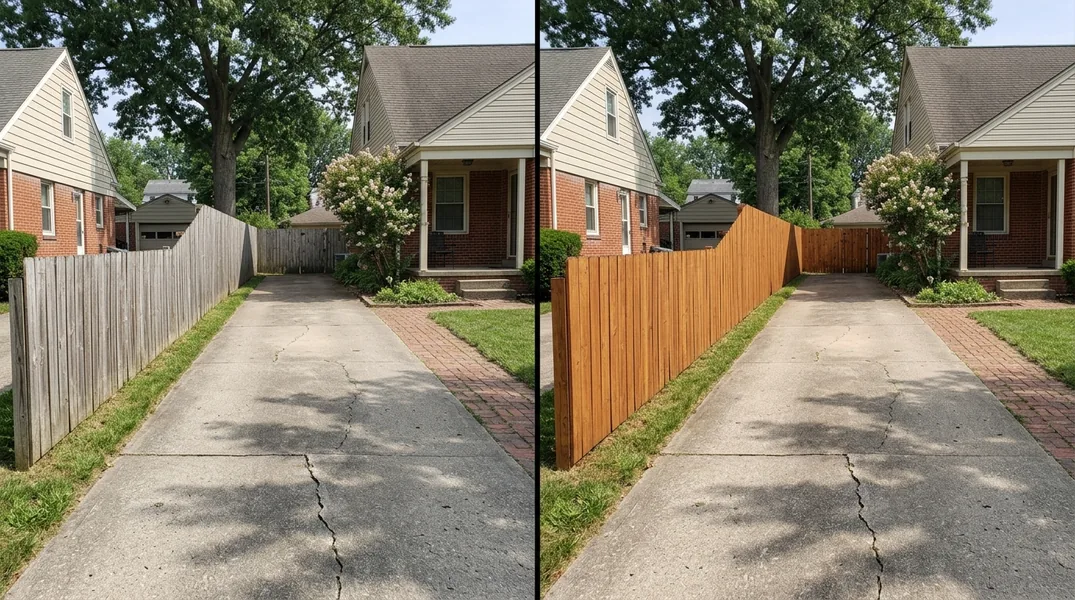
Understanding Ohio's Frost Line and Fence Post Depth
If you're planning a Wood & Privacy Fence Installation in Dayton, one of the most critical factors for long-term success is understanding how deep your fence posts need to go. The frost line, also called the frost depth, is the maximum depth that soil freezes during winter months. In Ohio, this depth typically ranges from 32 to 42 inches, depending on your specific location and local soil conditions.
Why does this matter? When water in the soil freezes, it expands, a phenomenon known as frost heave. If your fence posts aren't set deep enough to reach below the frost line, the ground's freeze-thaw cycle will gradually push them upward and sideways throughout winter. This movement destabilizes your fence, causing posts to lean, boards to warp, and gates to swing improperly. By setting posts below the frost line, you ensure they remain stable year-round, regardless of Ohio's sometimes harsh winters.
Recommended Fence Post Depth for Ohio Homeowners
For most residential fences in Dayton and surrounding areas, the general rule is to set fence posts at least one-third of the post's total height below ground. For a standard 6-foot tall fence, this means your post should extend approximately 2 feet underground. However, in Ohio, where frost lines can reach 36 to 42 inches, many professional installers recommend going deeper, especially for privacy fences that face significant wind resistance.
A more conservative approach used by experienced fence contractors is to set posts 3 to 4 feet deep in Ohio soil. This extra depth provides a safety margin below the frost line and ensures exceptional stability for heavier fence styles like privacy fences or those using Chain Link Fence Installation with tension wire. The investment in proper depth during installation pays dividends in reduced maintenance and longer fence lifespan. Posts set too shallow will eventually require resetting or replacement, costing far more than getting the depth right from the start.
Setting Fence Posts in Concrete: The Right Way
Concrete is the gold standard for Aluminum & Ornamental Iron Fencing and wood fence installations because it locks posts firmly in place and prevents water from pooling around the base. When setting fence posts in concrete, you'll want to use a quality concrete mix, typically a 60-pound bag per post for standard residential installations. The concrete should be mixed to a consistency similar to peanut butter, not too dry and not soupy.
The proper technique involves digging your post hole to the recommended depth for your frost line zone, placing the post in the center, then backfilling with concrete. As you pour, tamp the concrete gently to remove air pockets but avoid over-tamping, which can displace the post. Allow the concrete to cure for at least 24 to 48 hours before applying lateral stress to the fence. One critical detail many homeowners miss: slope the concrete slightly away from the post base to encourage water drainage. This prevents moisture from collecting at ground level, which can accelerate wood rot and post deterioration over time.
Why Proper Post Installation Prevents Common Fence Problems
Inadequate post depth is the root cause of most fence failures in Ohio. When posts aren't set deep enough or properly secured with concrete, you'll notice several warning signs within the first year or two. Posts begin to lean, especially after winter thaw. Boards or panels develop gaps as posts shift. Gates sag and won't close properly. Vinyl fencing can crack if posts move excessively. These problems aren't just cosmetic, they compromise the fence's ability to provide privacy and security.
Beyond structural concerns, shallow post installation accelerates wood decay. Posts that sit too high expose more of the wood to ground moisture and soil contact. Frost heave forces posts up and down repeatedly, breaking the seal between post and concrete and allowing water infiltration. Over time, this moisture promotes rot, especially at the critical soil line where wood meets earth. By setting posts deep and using quality concrete installation methods, you create a barrier against these destructive forces and ensure your fence investment lasts 15 to 20 years or more.
Fence Post Depth Considerations for Different Fence Types in Dayton
Different fence materials and styles have varying depth requirements based on their weight and wind resistance. Privacy fences, which feature solid boards or panels, require deeper and more robust post installation because they create significant wind load. Vinyl & PVC Fence Installation also demands proper depth since vinyl panels are heavier than many homeowners expect. Ornamental aluminum fencing, while lighter, still benefits from posts set to proper frost line depth for long-term stability and to prevent sagging over decades.
In Kettering and Beavercreek, where soil composition can vary, it's worth having a professional assess your specific site conditions. Clay-heavy soils, common in parts of the greater Dayton area, may require slightly deeper post installation because clay expands and contracts more dramatically with moisture changes. Sandy soils drain faster but may require additional concrete for lateral support. A professional installer understands these local soil variations and adjusts installation methods accordingly.
Getting Professional Guidance on Fence Post Installation Near Me
While understanding frost line depth and post installation principles is valuable, the best way to ensure your fence is installed correctly is to work with experienced local contractors who know Ohio's climate and soil conditions intimately. Dayton Fence Company has installed thousands of fences throughout the region and understands exactly how local frost cycles, soil types, and weather patterns affect long-term fence performance. Our team uses proven installation methods that account for Ohio's specific environmental challenges.
If you're planning a fence project in Huber Heights or anywhere in the Dayton area, we encourage you to reach out for a free estimate. During a site visit, our professionals can evaluate soil conditions, assess your specific needs, and recommend the ideal post depth and installation method for your fence type and location. Call us at (937) 930-3672 to discuss your project, or visit our website at https://dayton-fence-company.com to learn more about our services. Proper installation today means a beautiful, stable fence for years to come.
Looking for a professional tree service in Dayton? Dayton Fence Company responds fast for all your fence needs.
Get a Free Quote