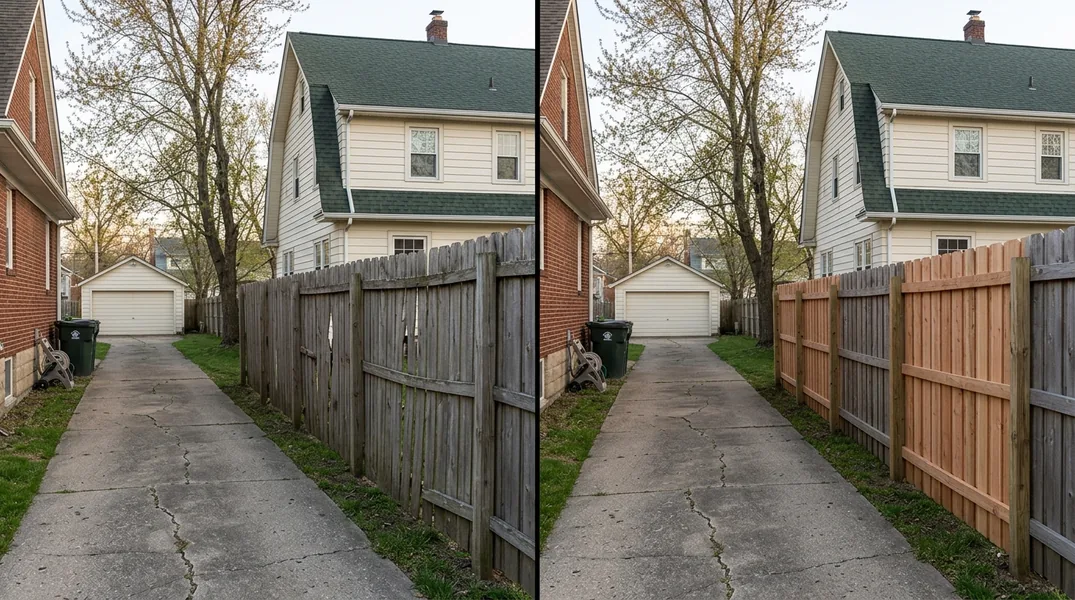
Understanding Fence Permits in Dayton and Montgomery County
Before you break ground on your new fence project, it's essential to understand the permitting requirements in your area. In Dayton and throughout Montgomery County, most residential fence installations require a building permit. This isn't just a bureaucratic hurdle; it's a process designed to ensure your fence meets local safety standards, property line requirements, and neighborhood aesthetic guidelines.
The permit process typically begins with submitting detailed plans to your city or township building department. For Kettering residents, this means contacting the Kettering Building Department, while Dayton homeowners work with the City of Dayton's Building and Housing Department. The application will require information about your property, the fence dimensions, materials, and exact placement. Most municipalities charge a nominal fee for fence permits, typically ranging from $25 to $100 depending on the scope of the project. Once submitted, the building department reviews your application to ensure compliance with local codes before issuing approval.
Fence Height Rules: What You Need to Know
One of the most common questions homeowners ask is simple: how tall can my fence be? The answer depends on where your fence is located on your property and what type of fence you're installing. In Montgomery County, the standard maximum height for residential fences is typically four feet in front yards and six feet in side and back yards. However, these rules can vary by municipality, so it's critical to verify the specific regulations for your neighborhood before proceeding with installation.
Front yard fences often have stricter height limitations because they affect sightlines for traffic safety and neighborhood character. If you're considering a Wood & Privacy Fence Installation, you'll want to confirm whether your property is in a front, side, or back yard situation. Privacy fences, which are typically taller and more solid, are generally permitted at six feet in rear yards but may be restricted in front yards. Some neighborhoods in Dayton also have homeowners association rules that supersede municipal code, potentially requiring shorter fences or specific materials. Always check both your city's code and any HOA restrictions before finalizing your fence design.
Material-Specific Code Requirements in Dayton
Different fence materials have different code considerations in the Dayton area. If you're planning a Wood & Privacy Fence Installation, local codes typically specify that the finished side of the fence should face outward toward neighboring properties, a requirement meant to maintain neighborhood aesthetics. Wood fences must also comply with setback requirements, meaning they typically cannot be installed directly on the property line but must be set back a specified distance, often six inches to one foot, depending on local ordinance.
Vinyl & PVC Fence Installation and Chain Link Fence Installation have their own code considerations. Chain link fences, for example, may have different visibility requirements in front yards and often must allow for sightline clearance at street corners. Aluminum & Ornamental Iron Fencing may have aesthetic guidelines in certain neighborhoods or historic districts. Understanding these material-specific rules helps you select the right fence type for your property and ensures your installation passes inspection on the first attempt.
Setback Requirements and Property Lines
A critical aspect of fence code compliance is understanding setback requirements and property line boundaries. Many homeowners assume they can build a fence directly on their property line, but most Montgomery County municipalities require a setback of at least six inches to one foot from the actual property line. This setback serves multiple purposes: it allows for maintenance access, prevents disputes with neighbors, and ensures the fence doesn't encroach on neighboring properties due to settling or shifting over time.
Before any fence installation begins, it's highly recommended to have your property surveyed to establish exact boundary lines. This small investment upfront can prevent costly disputes and removal orders later. Kettering and Dayton both require proof that your fence meets setback requirements as part of the permit approval process. If your fence is being installed as a replacement, you may need to verify that the existing fence location was compliant, which could require documentation from previous permits or a professional survey.
Corner Lot and Visibility Triangle Restrictions
If your property is located on a corner lot, additional restrictions typically apply. Most municipalities enforce visibility triangle requirements at intersections to ensure drivers and pedestrians have clear sightlines. This means fences on corner lots may be limited in height, or portions of the fence may need to be more open (like a picket fence rather than a solid privacy fence) to maintain visibility. These regulations are strictly enforced because they directly impact public safety at intersections.
The visibility triangle is usually defined as a specific distance from the corner intersection, often 25 to 35 feet depending on the speed limit of the adjacent roads. If you're on a corner lot in Dayton, check with your local building department to understand exactly which portions of your property fall within the visibility triangle. Violating these requirements can result in a citation requiring fence removal or modification, so it's worth getting clarity before you begin your project.
Working with Professionals: Why Local Expertise Matters
Given the complexity of fence codes and permit requirements, working with experienced local professionals is invaluable. Dayton Fence Company has years of experience navigating the permit process and code requirements throughout the Dayton area. Our team understands the specific regulations in each municipality and can guide you through the entire process, from initial design to final inspection approval. When you choose to work with professionals who know the local landscape, you avoid costly mistakes and delays.
Whether you're interested in Wood & Privacy Fence Installation or exploring other options, our team can help you understand what's permissible on your specific property and handle the paperwork and coordination with building departments. We'll discuss your budget, timeline, and aesthetic preferences while ensuring full compliance with Montgomery County fence code. To learn more about your project and get started with a consultation, contact Dayton Fence Company at (937) 930-3672 or request a free estimate online. Our team is ready to help you navigate the permitting process and create the fence you've been envisioning.
Looking for a professional tree service in Dayton? Dayton Fence Company responds fast for all your fence needs.
Get a Free Quote